
Mark Hines: The Remarkable Artist Transforming Glass and Ceramics into Timeless Masterpieces

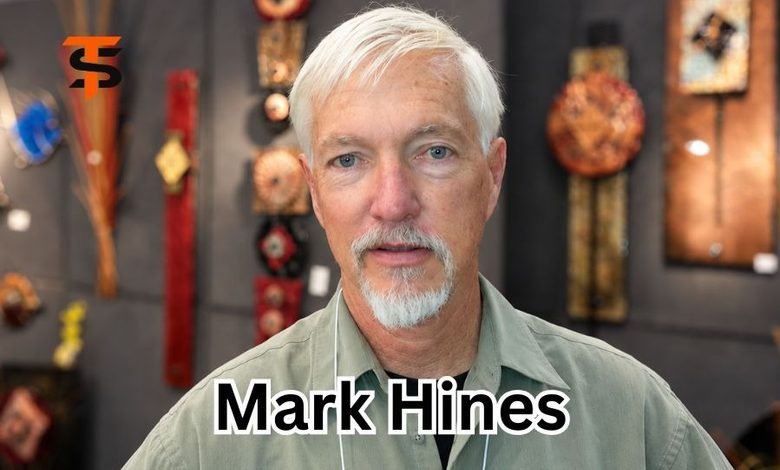
Mark Hines is an American glass and ceramic artist known for his distinctive approach to stained glass, Raku pottery, and contemporary slumped-glass sculptures. Beginning his artistic career in 1976, he developed a style that combines traditional craftsmanship with experimental techniques and modern decorative design.
His work includes sculptural vases, colorful glass bowls, and distinctive pieces created for interior spaces. With an appreciation for texture, form, and color, Hines has established a recognizable presence in American decorative art. His artistic journey demonstrates how technical knowledge and creative exploration can transform familiar materials into expressive, functional objects.
This article explores Mark Hines’ early life, education, artistic development, glassmaking techniques, notable creations, professional recognition, and personal background.
Quick Bio
| Attribute | Details |
|---|---|
| Full Name | Mark Hines |
| Nationality | American |
| Profession | Glass and ceramic artist |
| Birthplace | Southern California, United States |
| Education | Studied glass design and ceramics at USC |
| Career Beginning | 1976 |
| Artistic Specialties | Stained glass, Raku pottery, slumped glass |
| Known For | Sculptural glass vessels and decorative ceramics |
| Professional Recognition | Work featured in Architectural Digest, according to his gallery biography |
| Associated Business | Mark Hines Designs |
| Residence | Prescott, Arizona, according to his gallery biography |
| Years of Activity | 1976 onward |
Mark Hines and His Early Artistic Influences
Mark Hines was born and raised in Southern California, a region associated with a diverse artistic and design culture.
Although primarily self-taught, he studied glass design and ceramics at the University of Southern California (USC). This mix of independent experimentation and academic study shaped his understanding of artistic materials.
His artistic development did not follow a single creative discipline. Instead, he explored different processes and gradually expanded his technical abilities.
Glass and clay provided opportunities to investigate color, texture, structure, and the relationship between decorative objects and their surroundings.
While detailed information about his childhood and family background remains limited, his professional history demonstrates a sustained interest in craftsmanship and material experimentation.
How His Artistic Career Began in 1976
The year 1976 marked an important beginning in Hines’ professional artistic journey.
He initially worked with stained glass, a medium that requires precision, planning, and an understanding of how light interacts with color.
Stained-glass production involves arranging individual pieces of colored glass into compositions that create different visual effects depending on how they are lit.
Working in this discipline helped Hines develop practical knowledge of glass properties, decorative composition, and structural design.
As his experience expanded, he became interested in other artistic materials and techniques.
His transition into ceramics introduced new possibilities for creating three-dimensional objects. This progression eventually led him to Raku pottery, an important part of his artistic identity.
Discovering the Expressive Beauty of Raku Pottery
Raku pottery became one of the most recognizable areas of Mark Hines’ work.
Raku is a ceramic firing technique known for distinctive surface textures, dramatic glaze variations, and unpredictable color effects.
In many contemporary Western Raku processes, potters remove pieces from the kiln while they are extremely hot and expose them to materials that shape the final surface appearance.
These techniques can create metallic finishes, smoky patterns, and unusual color combinations.
Hines developed decorative vessels and vases that demonstrate this approach’s visual possibilities.
His ceramic work includes sculptural forms with rich finishes and distinctive surfaces.
One documented example is a tall, lidded Raku urn sold through Leland Little Auctions in October 2022. The piece featured an iridescent graphite glaze, a cream-coloured interior, and a natural reed decoration on its lid.
Such works illustrate his ability to combine straightforward ceramic forms with striking decorative details.
The Transition from Ceramics to Slumped Glass
An important development in Hines’ career was his move into modern slumped-glass artwork.
Slumping involves heating glass until it softens enough to bend or settle into a prepared mould. Unlike conventional glassblowing, this process uses heat and gravity to shape the material.
Hines employs sand molds to give his glasswork irregular, organic contours.
The resulting pieces often have flowing edges, textured surfaces, and shapes that distinguish them from mass-produced decorative objects.
He also uses color to enhance his creations’ sculptural appearance.
Some pieces incorporate enamels, while others are displayed with custom iron supports that complement their glass forms.
This combination of delicate glass and strong metal elements produces an appealing contrast between materials.
Signature Creations and Decorative Glass Designs
Mark Hines’ artistic range extends beyond conventional glass vases.
His documented collections include bowls, chargers, candleholders, wall sculptures, and other decorative accessories.
Large glass vessels have become particularly associated with his work, reflecting requests from interior decorators seeking substantial statement pieces.
These oversized creations can serve as focal points within residential and commercial interiors.
His designs also explore the relationship between transparency, reflected light, and surface texture.
A colorful glass vessel can produce different visual impressions depending on its position and the surrounding lighting.
This responsiveness to light gives glass sculpture a distinctive decorative quality.
Rather than treating every object as purely functional, Hines uses traditional household forms as foundations for artistic expression.
A Distinctive Relationship Between Art and Interior Design
One of the most interesting aspects of Hines’ career is the connection between his artwork and interior decoration.
His gallery biography notes that interior designers were among his clients, particularly those interested in larger decorative pieces.
A sculptural bowl or vase can complement furniture, add color, or serve as a visual centerpiece in a room.
Hines’ use of organic shapes makes his artwork adaptable to different decorative environments.
The iron stands supporting some of his glass creations also contribute to their architectural character.
Through these combinations, his work occupies an interesting position between fine art, studio craftsmanship, and functional design.
Professional Recognition and Artistic Presence
Throughout his career, Mark Hines has received attention through galleries, collectors, and decorative art publications.
His biography at the Arts Prescott Cooperative Gallery states that his designs have appeared in Architectural Digest and that his artwork is represented in international collections.
His work has also appeared in gallery listings and auction catalogs.
Auction records provide documented examples of his ceramics, while specialist galleries have presented his slumped-glass pieces to collectors and design enthusiasts.
These records offer a useful picture of his artistic development across different materials and periods.
They also show that his work remains present in the secondary art market.
Personal Life and Connection to Arizona
Although Hines’ professional achievements are documented, he has maintained a relatively limited public biographical profile.
Arts Prescott Cooperative Gallery identifies Mark and Jeanne Hines together and lists their residence as Prescott, Arizona.
The city has an established arts community, and his association with a local cooperative gallery reflects his continuing connection to studio art.
Detailed public information about his exact birth date, age, and broader family background is not consistently available.
His artistic contributions, rather than personal publicity, remain the strongest basis for understanding his career.
What Makes Mark Hines’ Artwork Distinctive?
Several characteristics distinguish Hines’ creations from conventional decorative glass and ceramics.
His work spans multiple disciplines without abandoning the technical knowledge he developed earlier in his career.
Stained glass provided experience with color and illumination. Ceramics introduced a greater emphasis on texture and sculptural volume. Slumped glass brought these interests together in a different physical form.
Sand molds introduce subtle variations that give his glass creations an organic appearance.
His interest in oversized vessels also reflects an understanding of how scale influences the experience of an artwork.
Together, these qualities create an artistic approach rooted in material exploration rather than strict adherence to a single technique.
Frequently Asked Questions About Mark Hines
1. Who is Mark Hines?
Mark Hines is an American artist specializing in stained glass, Raku pottery, and slumped-glass sculptures. He is best known for decorative glass vessels, sculptural bowls, and ceramic artwork.
2. Where was Mark Hines born?
Mark Hines was born and raised in Southern California, United States. His exact birthplace and date of birth have not been reliably established in the available biographical sources.
3. Did Mark Hines study at the University of Southern California?
Yes. Artist biographies report that he studied glass design and ceramics at USC. However, his artistic development is generally described as largely self-directed.
4. What is Mark Hines most famous for creating?
He is recognized for Raku pottery, large decorative glass vessels, and modern slumped-glass sculptures. His use of sand molds and iron stands gives many of his designs a distinctive appearance.
5. Where does Mark Hines live?
His Arts Prescott Cooperative Gallery biography lists Prescott, Arizona, as his residence and identifies him alongside Jeanne Hines. More recent private residential details have not been independently confirmed.
Conclusion: Mark Hines and His Lasting Artistic Contribution
Mark Hines has built a career around exploring the creative possibilities of glass and ceramics. From his early stained-glass work in 1976 to his Raku pottery and contemporary slumped-glass designs, his artistic development reflects versatility and dedication to craftsmanship.
His distinctive approach combines color, texture, scale, and functional design to create objects with sculptural appeal.
Through his gallery presence, decorative commissions, and documented artworks, Mark Hines remains an important example of how traditional techniques can support contemporary artistic expression.