Jillian Ambrose: The Guardian Journalist Reporting on Britain’s Energy Transformation
An insightful look at her journalism career, professional background, and coverage of climate change, renewable energy, and the global energy industry.

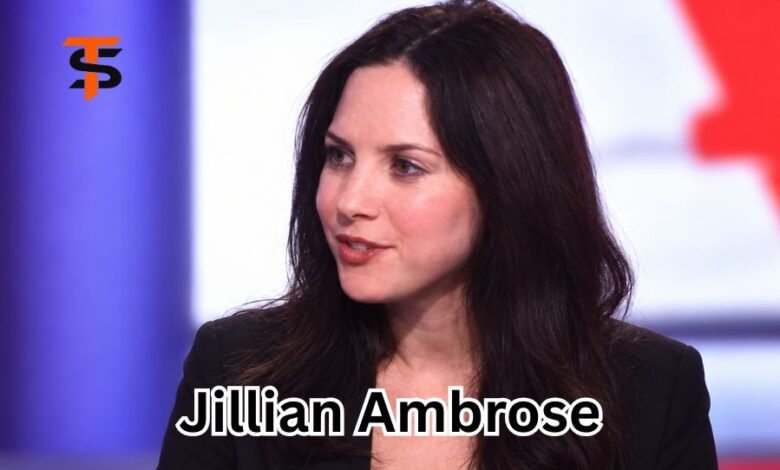
Jillian Ambrose is an experienced energy journalist best known for her work as The Guardian’s energy correspondent. Her reporting examines major developments affecting the modern energy industry, including electricity prices, renewable power, fossil fuels, and climate policy. With experience in specialist trade publications and national newspapers, she has developed a career explaining complex energy developments to a wider audience. Her background reflects the growing importance of informed reporting as energy security, environmental concerns, and household costs are closely connected.
This article explores her career, education, reporting specialties, and contributions to public understanding of energy issues.
Quick Bio
| Detail | Information |
|---|---|
| Full Name | Jillian Ambrose |
| Profession | Journalist and energy correspondent |
| Known For | Reporting on energy and climate issues |
| Current Employer | The Guardian |
| Previous Employer | The Daily Telegraph |
| Previous Position | Energy Editor |
| Education | Rhodes University |
| Professional Location | London, United Kingdom |
| Joined The Guardian | June 2019 |
| Reporting Specialties | Electricity, oil, gas, renewable energy, climate policy |
| Date of Birth | Not publicly verified |
| Marital Status | Not publicly verified |
Who Is Jillian Ambrose?
Jillian Ambrose is a journalist whose career focuses on the energy sector and the economic and environmental questions it raises. She is best known for her work at The Guardian, where she reports on the changing relationship between traditional energy sources and emerging low-carbon technologies.
Unlike general news correspondents who cover many unrelated subjects, Ambrose has developed specialist experience in an industry shaped by government regulation, international markets, technological advances, and public demand.
Her journalism covers developments affecting energy companies, policymakers, businesses, and ordinary consumers. These subjects require understanding both the technical information and its broader consequences.
She is also featured in the Bulletin of the Atomic Scientists, which identifies her as The Guardian’s energy correspondent and carries articles associated with her reporting on climate change and energy technology.
Education and Professional Foundations
Public professional information identifies Rhodes University in South Africa as part of Ambrose’s educational background. A professional directory lists her qualification as a bachelor’s degree in English literature.
Her career shows how a background in language and communication supports specialist journalism. Energy reporting involves interpreting technical studies, examining policy announcements, and making financial or scientific developments understandable without losing their meaning.
Although her university connection is publicly documented, reliable details about her childhood, birthplace, and early family life are not available. Her established professional history therefore offers a more dependable foundation for understanding her background.
Building a Career in Energy Journalism
Before becoming a familiar name in national newspaper reporting, Ambrose worked in publications serving professionals within the energy industry.
Her earlier reported experience includes roles at ICIS Heren, Platts, and Utility Week. These publications cover specialist areas such as electricity markets, energy trading, and utility-sector developments.
Experience in Specialist Publications
Working within industry-focused journalism involves following commercial decisions, market regulations, and developments that may not immediately attract mainstream attention.
Such reporting helps journalists understand the mechanisms behind electricity pricing, fuel supplies, infrastructure investment, and shifting energy demand.
Ambrose’s experience in this area preceded her move into prominent national newspaper roles.
Becoming Energy Editor at The Telegraph
She later served as Energy Editor at The Daily Telegraph before joining The Guardian.
Her responsibilities involved reporting on oil, gas, utilities, and other developments affecting the energy sector.
The role placed her within national business journalism, where energy stories frequently overlap with government decisions, financial markets, and consumer spending.
Joining The Guardian in 2019
A media industry announcement published on June 6, 2019, confirmed that The Guardian had appointed Ambrose as an energy correspondent.
The move marked another significant stage in her career, expanding her established specialist reporting to cover a major international news organization.
Jillian Ambrose and Her Work at The Guardian
At The Guardian, Ambrose reports on issues ranging from renewable energy investment to the economic consequences of fossil fuel dependence.
Her work links developments in the electricity and fuel industries to questions of affordability, economic resilience, and climate change.
Renewable Energy and New Technology
Much of her published work focuses on the transition to cleaner electricity systems.
Her reporting has examined developments involving wind power, electricity storage, electric vehicles, and renewable energy infrastructure.
For example, articles in the Bulletin of the Atomic Scientists have discussed large-scale liquid-air energy storage and projections for global electric vehicle adoption.
These subjects illustrate the practical challenges involved in replacing conventional energy infrastructure with emerging technologies.
Fossil Fuels and Changing Energy Markets
Ambrose also covers traditional energy industries, including coal, oil, and natural gas.
Her published reporting has examined declining coal demand, changes affecting major oil companies, and the economic pressures facing established fossil fuel businesses.
Understanding the Bigger Picture
A significant feature of energy journalism is explaining how individual announcements connect to broader developments.
For example, a change in global gas supplies can affect wholesale electricity costs, industrial expenses, and household energy bills.
By covering these connected subjects, Ambrose’s work helps readers follow an industry that affects everyday life far beyond power stations and corporate boardrooms.
Reporting on Britain’s Energy Challenges
The United Kingdom’s energy sector has undergone substantial changes involving renewable generation, electricity networks, carbon reduction, and energy security.
Ambrose’s reporting addresses many of these developments.
Her 2026 articles have covered electricity grid balancing costs, fuel prices, proposed wind farms, and the financial pressures facing energy consumers.
These stories demonstrate why the energy beat extends beyond environmental reporting.
Electricity infrastructure is as much an economic issue as a technical one. Changes in supply, demand, investment, and regulation can affect businesses and households across the country.
Her work also explores tensions between energy affordability, climate objectives, and the practical limits of existing infrastructure.
Why Her Reporting Matters
Energy journalism plays an important role in explaining decisions that can otherwise seem highly technical or far removed from everyday concerns.
Electricity market rules, renewable subsidies, oil prices, and energy storage technologies are complex subjects. Yet their consequences can be immediate and personal.
A journalist covering this field must distinguish between company announcements, government proposals, independent research, and demonstrated outcomes.
Ambrose’s published work informs readers about these developments while placing them in broader economic and environmental discussions.
Her coverage also demonstrates the value of specialist journalism. Understanding an industry over several years can provide context that isolated news reports may lack.
Professional Recognition and Public Profile
Ambrose has an established professional presence through her published journalism and author profiles.
Alongside The Guardian, her work has appeared in the Bulletin of the Atomic Scientists, an independent publication covering major scientific and global challenges.
Her Bulletin contributor profile features articles on coal consumption, renewable energy storage, electric vehicles, and changes within the fossil fuel industry.
This contributor profile reflects how her reporting relates to broader discussions about climate change and energy systems. It does not, by itself, establish that she holds a staff position at the Bulletin.
Her public profile centers on her journalism rather than celebrity appearances or personal publicity.
Personal Life and Privacy
Although Jillian Ambrose has a documented professional background, reliable public information about her private life is limited.
Her precise date of birth, age, marital status, and family relationships have not been established through dependable publicly available sources.
Therefore, presenting unverified personal details as facts would be misleading.
For readers interested in learning about her, her professional experience, published articles, and reporting specialties provide the clearest available picture.
Frequently Asked Questions About Jillian Ambrose
1. Who is Jillian Ambrose?
Jillian Ambrose is an energy journalist and correspondent for The Guardian. She covers electricity markets, renewable energy, fossil fuels, energy companies, and climate-related developments, particularly those affecting the United Kingdom.
2. Where does Jillian Ambrose work?
She works for The Guardian as an energy correspondent. Her author profile includes reporting on electricity costs, energy infrastructure, oil and gas markets, and the transition toward cleaner power generation.
3. What is Jillian Ambrose’s educational background?
Her publicly listed educational background includes Rhodes University in South Africa. A professional directory reports that she studied English literature.
4. Did Jillian Ambrose work for The Telegraph?
Yes. Before joining The Guardian in June 2019, she worked as Energy Editor at The Daily Telegraph. Earlier professional experience included reporting and editorial positions in specialist energy publications.
5. Is Jillian Ambrose married, and how old is she?
Reliable public sources do not establish her marital status or exact date of birth. As a result, her age and relationship details should not be stated as confirmed information.
Conclusion
Jillian Ambrose has built a professional career around explaining the energy industry and the changes reshaping it. From specialist industry publications to senior reporting roles at The Telegraph and The Guardian, her work has addressed the economic, environmental, and technological dimensions of energy production and consumption.
Her reporting on renewable power, fossil fuels, electricity infrastructure, and consumer energy costs provides a useful perspective on the challenges facing modern energy systems. Rather than relying on speculation about her private life, her published work offers the strongest understanding of her career and professional contribution.